Meet the Fan Lab

Guo-Chang Fan photo

Guo-Chang Fan, PhD

Principal Investigator

guochang.fan@uc.edu

Fan laboratory is dedicated to performing cardiovascular research that involves: 1) dissecting the molecular/cellular mechanisms underlying ischemia/reperfusion-induced cardiac remodeling; 2) elucidating how infection/inflammation (i.e., sepsis) causes vascular leakage and heart failure; and 3) defining the role of macrophages in disease-induced cardiovascular dysfunction. Fan lab primarily uses in vivo transgenic and knockout animal models as well as in vitro primary cell culture. In addition, multiple state-of-art techniques (i.e., CRISPR-Cas9, single-cell sequencing, RNA sequencing, cell sorting, flow cytometry, Co-IP, Co-immunostaining, and bioinformatics) are employed to analyze the molecular/cellular mechanisms.
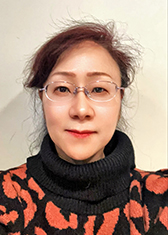
Xiaohong Wang

Dr. Xiaohong Wang

Research Scientist

wang2xn@ucmail.uc.edu

Dr. Xiaohong Wang graduated from Qinghai Medical College. She has been in Dr. Fan’s laboratory since 2007 and published 34 peer-reviewed papers. Dr. Xiaohong Wang has extensive expertise in animal models, animal surgery of cecal ligation and puncture (CLP) and cardiac ischemia/reperfusion, in vivo and ex vivo myocardial function measurement, isolation of cardiac endothelial cells, fibroblasts, myocytes, and bone marrow-derived macrophages (BMDMs) for cell culture. Specifically, Dr. Wang has investigated the role of miRNAs and exosomes in I/R-induced cardiac injury and diabetic cardiomyopathy, which resulted in dozens of first-authored or co-authored papers. Her publication can be found in the PubMed. Currently, she is a lab manager and involved in multiple research projects and animal surgery.

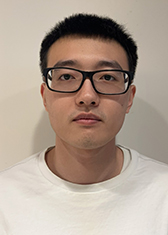
Tianyuan Yang, PhD

Dr. Tianyuan Yang

Post-doc Fellow

yangt3@ucmail.uc.edu

Dr. Yang received his Ph.D. degree in Veterinary Surgery from Northeast Agricultural University. Dr. Yang has excellent background in the fields of molecular biology and immunology. In addition, he has extensive expertise in investigating inflammation-induced organ injury. Dr. Yang joined the Fan lab in January 2025 and focuses on elucidating the regulatory role of Leng9 and Lcn10 in macrophage phagocytosis and polarization, sepsis-triggered systemic and local inflammation as well as cardiac dysfunction, using the in vitro cell model and in vivo transgenic/knockout mouse models. Recently, Dr. Yang has received a two-year postdoc fellowship award from AHA starting 01/01/2026 and ending 12/31/2027.

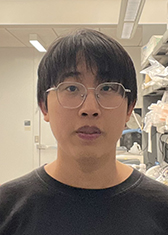
Zhixin (Jim) Li

Zhixin (Jim) Li

PhD Student

li4zi@ucmail.uc.edu

Zhixin (Jim) Li, a PhD student from the Pharmaceutic Science Program at College of Pharmacy (email: ), received a bachelor’s degree in biology from Denison University, OH, in 2023. Subsequently, he was admitted to the master program of Molecular Cellular and Biochemical Pharmacology, University of Cincinnati College of Medicine, and graduated in December 2024. Now he is doing his PhD thesis project in Fan laboratory and working with Dr. Wang and Dr. Yang to involve multiple projects including: 1) bacterial extracellular vesicles (bEVs) deliver short non-coding RNAs to macrophages and regulate gene expression in macrophages to boost efferocytosis; and 2) CPNE5 regulates cardiovascular permeability during sepsis, using transgenic and knockout mouse models.